How to Prepare Irrigation Systems for Critical Periods of Climate Variability
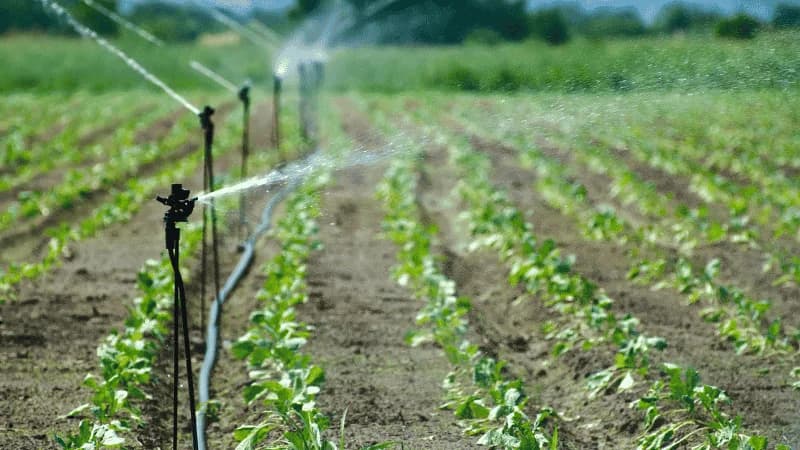
Irregular rainfall, prolonged periods of drought, and changes in precipitation patterns directly affect agricultural production planning in various regions. In scenarios influenced by the El Niño phenomenon and other global and regional climate variations, Hidro Solo, a company with 45 years of experience in irrigation engineering and water treatment, emphasizes that being prepared to use water resources efficiently is becoming increasingly important in day-to-day farming operations, particularly for coffee, horticultural, and fruit producers.
For farmers, this means assessing irrigation infrastructure before a critical period of water scarcity or water stress begins. Evaluating actual water availability, system operating capacity, and equipment condition helps identify potential logistical and technical bottlenecks, reducing the risk of interruptions precisely when crops need water the most.
However, efficient water management requires analyzing another critical factor that is often overlooked: having an adequate volume of water is not enough; appropriate physicochemical conditions must also be ensured for its use.
Depending on the water source, elements such as sand, decomposing organic matter, and suspended solid particles can enter the irrigation system, causing blockages, increasing maintenance requirements, and compromising system performance.
In this context, Sand Filtration Units are among the solutions offered by Hidro Solo to retain sediment and impurities present in water.
Proper irrigation water filtration therefore plays an important role in protecting the system. To meet different operating conditions, Hidro Solo's portfolio includes sand filtration units, disc filtration systems, and backwash automation.
Selecting the right equipment requires considering the characteristics of the local water supply and the operating conditions of each farm, taking into account parameters such as flow rate, contamination levels, and the structural configuration of the irrigation project.
In addition to proper technical sizing, implementing a preventive maintenance routine is also important. Checking filter condition, pressure levels, flow rates, and other hydraulic components before periods of peak agricultural demand helps reduce the risk of unexpected downtime.
With 45 years of experience, Hidro Solo develops solutions for a wide range of needs in the agricultural sector. The company emphasizes, however, that every project should begin with a detailed assessment of the specific characteristics of each property.
After all, factors such as local water availability, water quality, available flow rate, and operating conditions vary from one agricultural property to another.
In a context of increasingly irregular climate patterns and weather uncertainty, conducting this technical and structural assessment in advance can help build a more efficient irrigation system that is better prepared for periods of peak demand.
Therefore, assessing existing irrigation infrastructure, monitoring water quality, and keeping equipment in good working condition are measures that help turn water management into a tool for prevention and planning.
Hidro Solo serves farmers and agricultural distributors with solutions focused on irrigation and water treatment. To learn more about the available products and solutions offered by the company, visit the official Hidro Solo website.
Galeria de imagens