Sanitation advances in Brazil: technology and industry are part of the path toward universal access
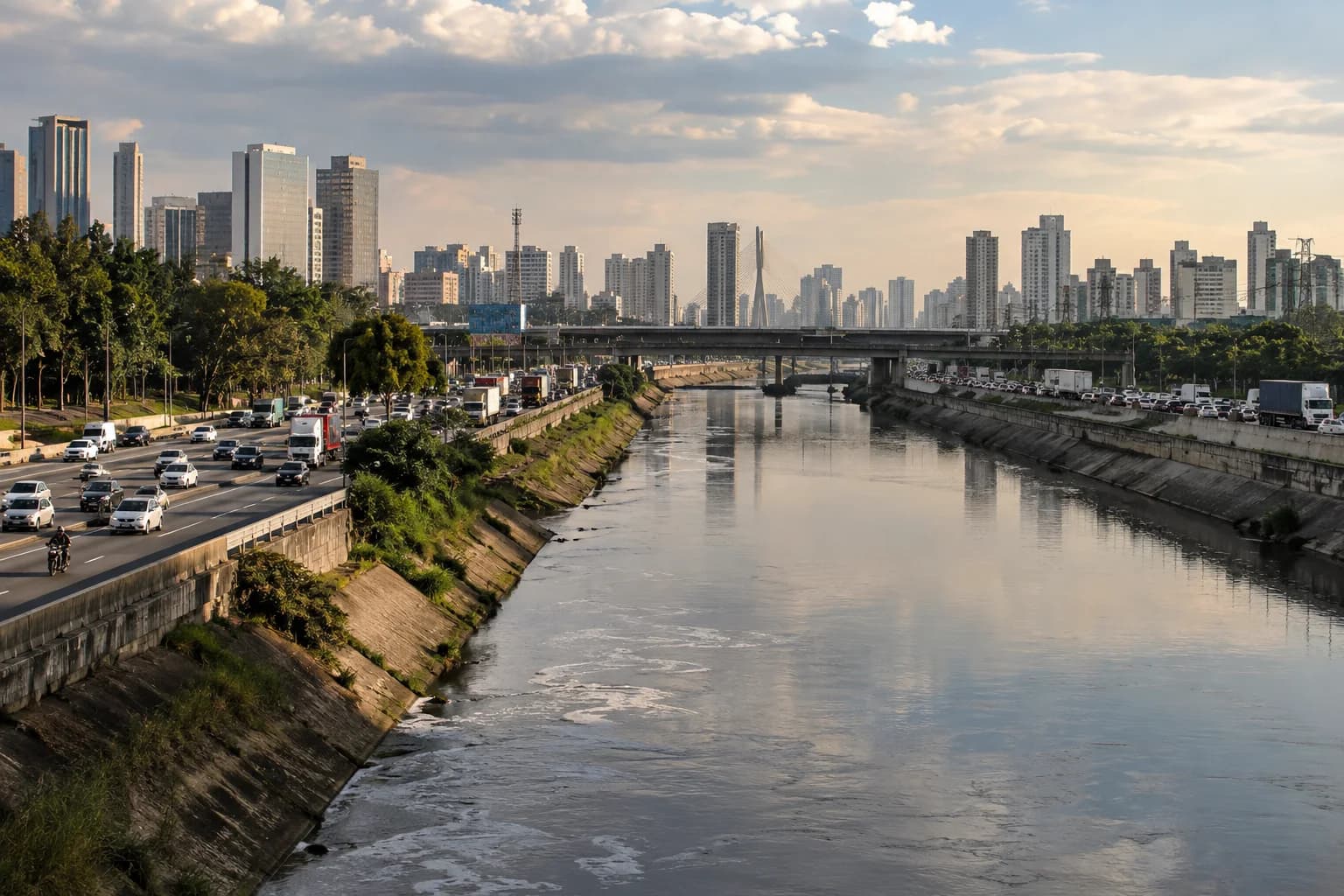
Advances in sanitation can be seen in different initiatives across Brazil. A recent example comes from São Paulo: according to a CETESB survey released in September 2026, the amount of sewage carried by the Tietê River in the Metropolitan Region fell by 26.7% in one year, from 210 to 154 tons per day. Since 2023, more than 1.5 million households have also been connected to the sewage network in the river basin.
Results show that progress is possible
These figures show that investments, infrastructure expansion and sanitation initiatives can produce concrete results. At the same time, the recovery of a water system such as the Tietê River demonstrates that this is a gradual process requiring continuity and planning.
This scenario reinforces a reality: universal access to sanitation is a long journey, but it is possible. Moving forward requires expanding access to services, modernizing infrastructure and continuously investing in technologies capable of making treatment processes more efficient.
Industry as part of this transformation
This is where industry also plays an important role. For 45 years, Hidro Solo has developed water treatment solutions and followed the evolving needs of the sanitation sector.
Its portfolio includes technologies for different stages of treatment, including filtration systems, disc filters, backwash automation and solutions such as PLUVITEC® Blocks and Crepinas, developed for filtration systems in water treatment plants.
Hidro Solo's activities also extend to effluent treatment, contributing to treated effluent filtration stages and more efficient water use. In this context, Disc Filtration Systems provide a solution for removing particles and suspended solids and can be applied in processes that require greater efficiency during the filtration stage.
The technology can also contribute to water reuse processes by supporting the treatment of water intended for applications compatible with its final quality. By investing in filtration and treatment solutions, industry contributes to more efficient water use and helps sanitation processes move toward increasingly sustainable models.
A future built together
Universal access to sanitation does not depend on a single solution. It is the result of a combination of infrastructure, management, investment, technical knowledge and efficient technologies.
The progress observed in sanitation shows that this path can be followed. For Hidro Solo, being part of this transformation means continuing to develop solutions and working in partnership with the sector so that more people can have access to quality water and sanitation services.
45 years of experience. And an ongoing commitment to the future of water.
Fonte: Portal Saneamento Básico